
Services
Reactive Power Compensation
Improve power factor, cut penalties, reduce losses, and optimize capacity with capacitor-based reactive power compensation – practical solutions for industrial efficiency.
Understanding of Power Factor
To understand power factor, we’ll first start with the definition of some basic terms:
- KW – Working Power (Actual / Active / Real Power). It is the power that actually runs equipment and performs useful work.
- KVAr – Reactive Power. It is the power required by magnetic equipment (transformers, motors, relays) to produce magnetizing flux.
- KVA – Apparent Power. It is the vector sum of KVAr and KW.
How Does a Capacitor Improve Power Factor?
There are two types of power: inductive and capacitive. Inductive loads store energy in a magnetic field. The peak current drawn from an inductive load lags the peak voltage by 90 degrees.
A capacitive load stores energy in an electric field. The peak current drawn from a capacitive load leads the peak voltage by 90 degrees.
Most industrial loads have lagging current due to induction motors. Inductive current and capacitive current have an inverse relationship. Capacitors discharge current when inductors are conducting current, and inductors supply current when capacitors are charging.
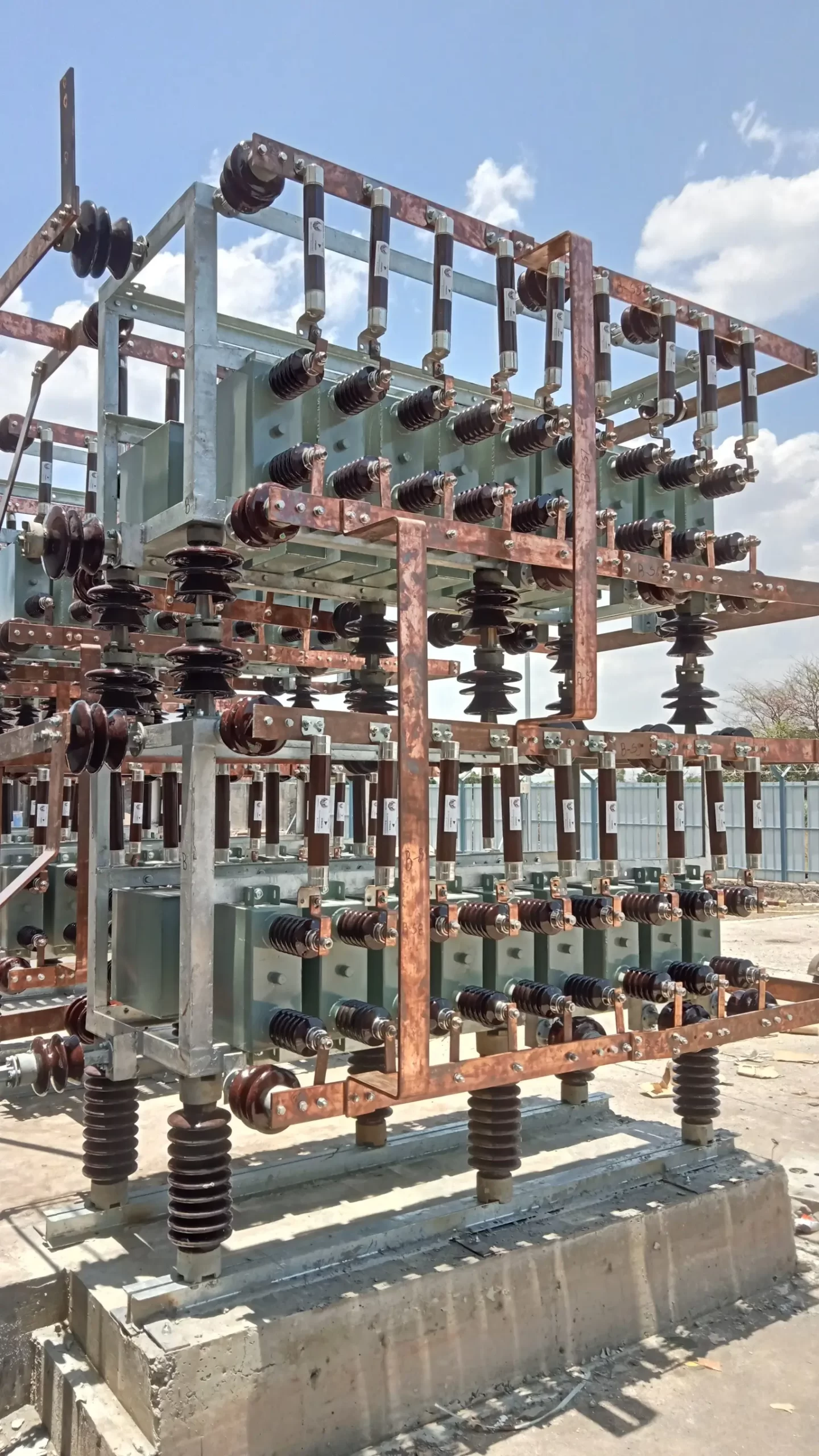
By properly matching capacitors to an inductive system, reactive current can be cancelled, reducing the demand on upstream electrical equipment.
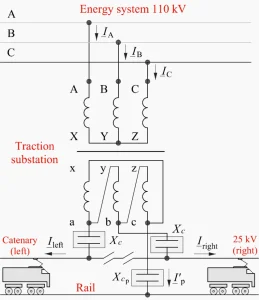
An inductive load with a 0.707 power factor requires 1.4 times (1 ÷ 0.707) the real current. This means the distribution system must be sized larger than the actual working power.
When capacitors are added, the power factor can theoretically be improved to 1.0. This means 100% of the apparent power (KVA) supplied is converted into useful working power (KW).
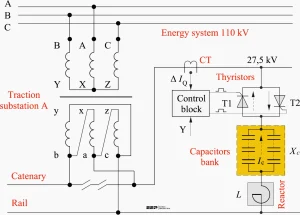
Figure 2
Power capacitors are energy-saving products and have a payback period ranging from a few months to one year depending on system economics and power tariff structure.
Many utilities use billing methods such as kVAh billing instead of kWh, along with load factor incentives, to encourage consumers to improve power factor. These methods help reduce electricity costs and shorten payback periods.
Hidden Advantages of Capacitor Installation
- Reduction in demand and better utilization of available power capacity.
- Reduction in system current, decreasing stress on electrical components and extending equipment life.
- Improvement in voltage profile, especially useful in low-voltage areas.
- Decrease in cable and line losses.
Most utilities require consumers to maintain a minimum power factor (typically between 0.90 and 0.92). Installing capacitors ensures compliance and operational efficiency.
Overall Advantages to the Power Utility
- Saved power can be supplied to new customers, generating additional revenue.
- Reduced transformer losses.
- Improved transformer efficiency.
Products
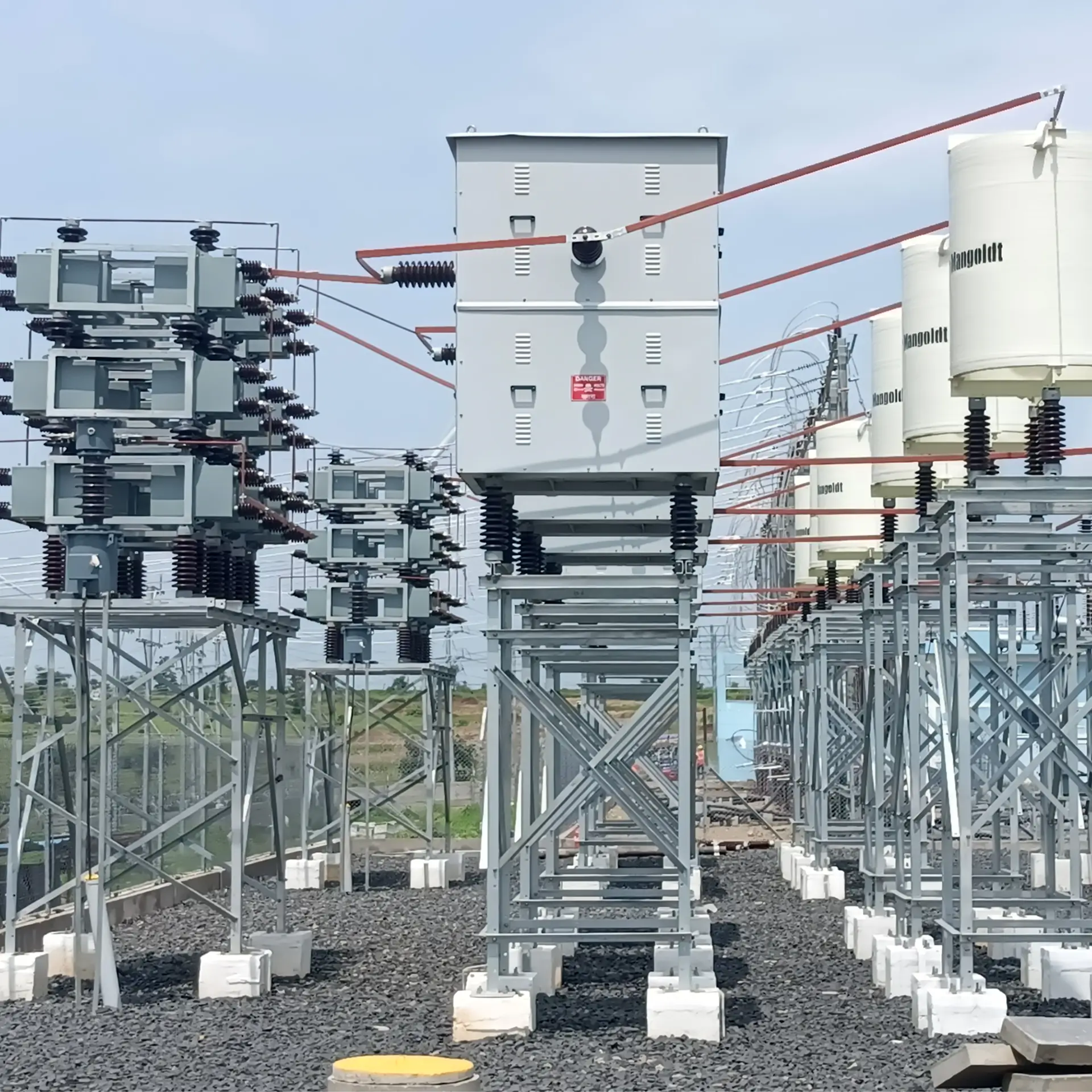
High Voltage
VCB Switch Board
Low Voltage
MCC Panel